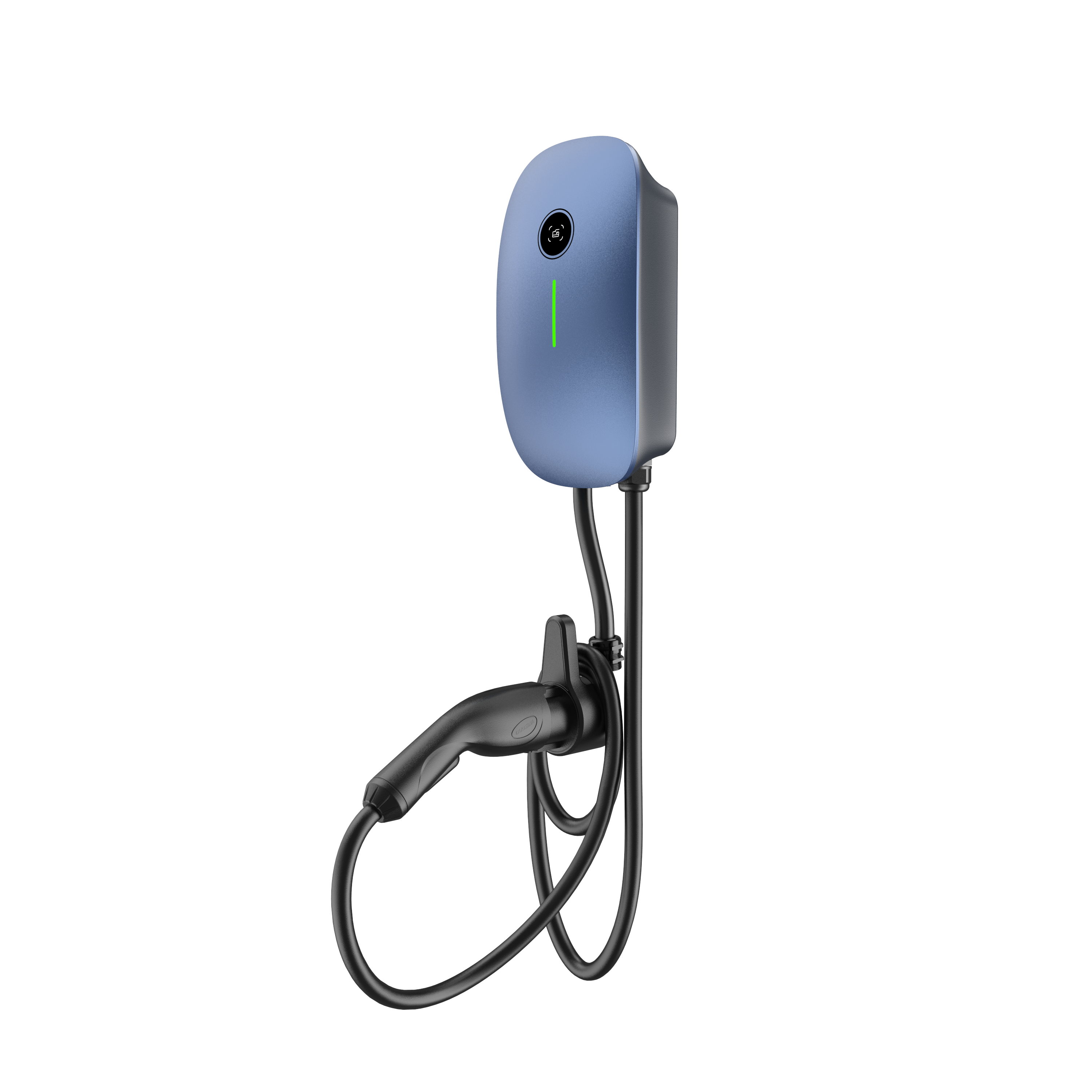
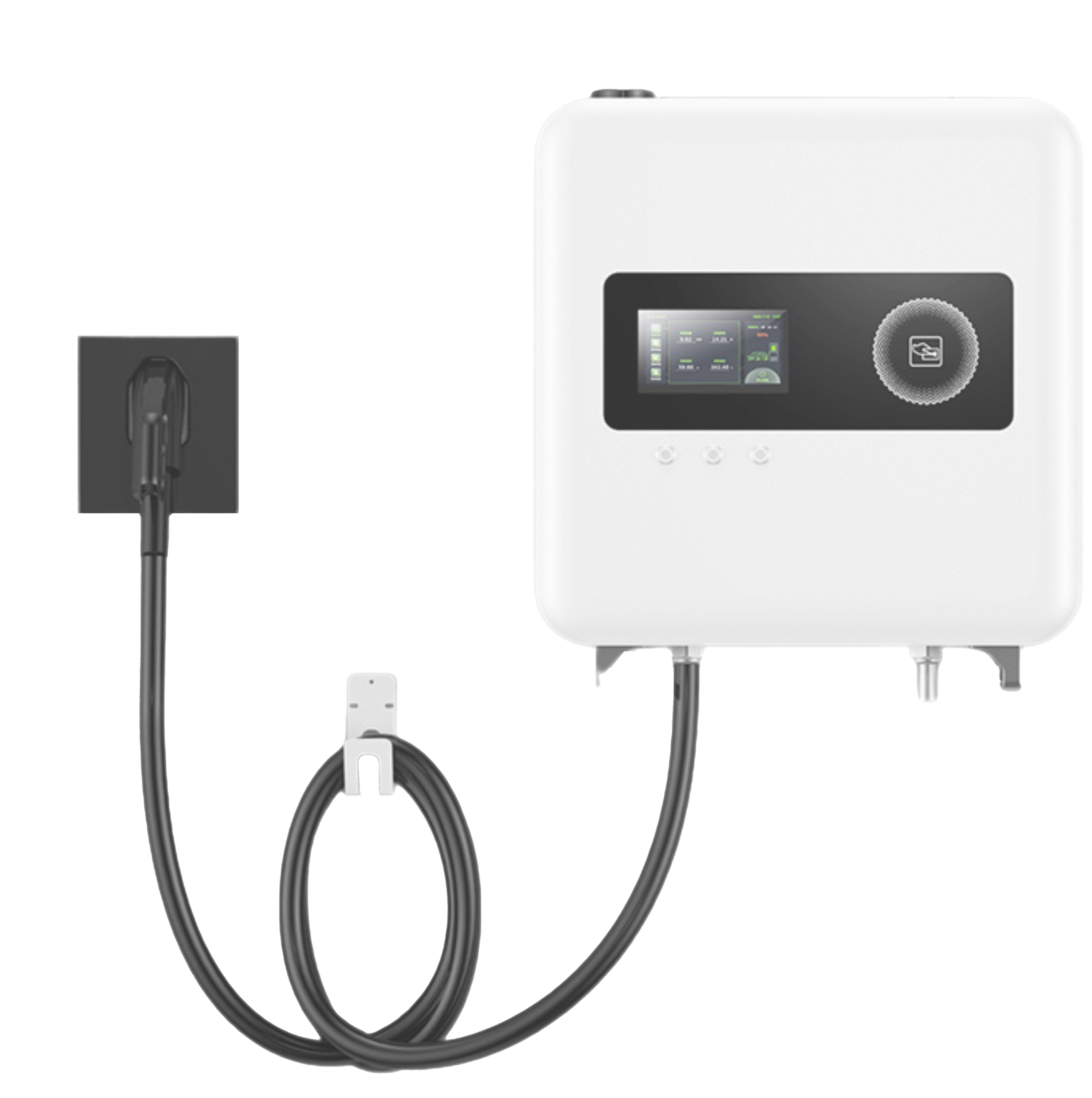
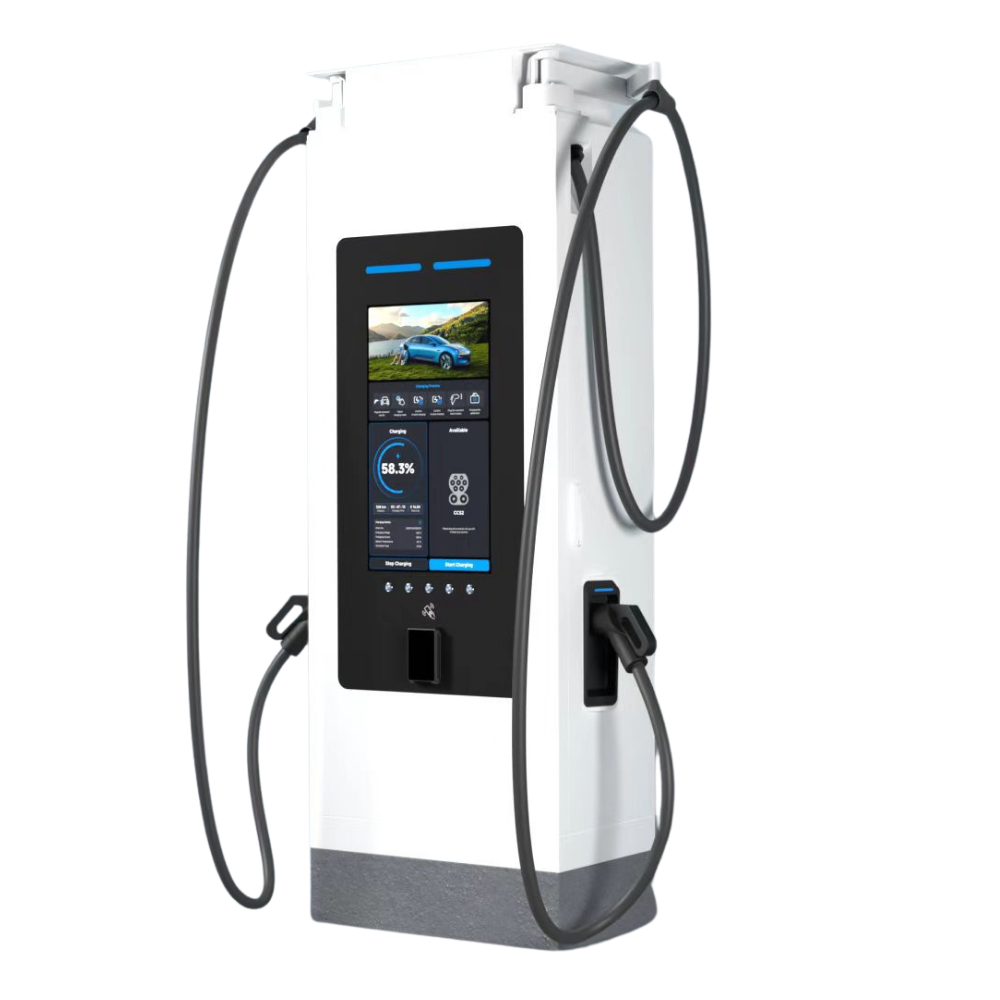
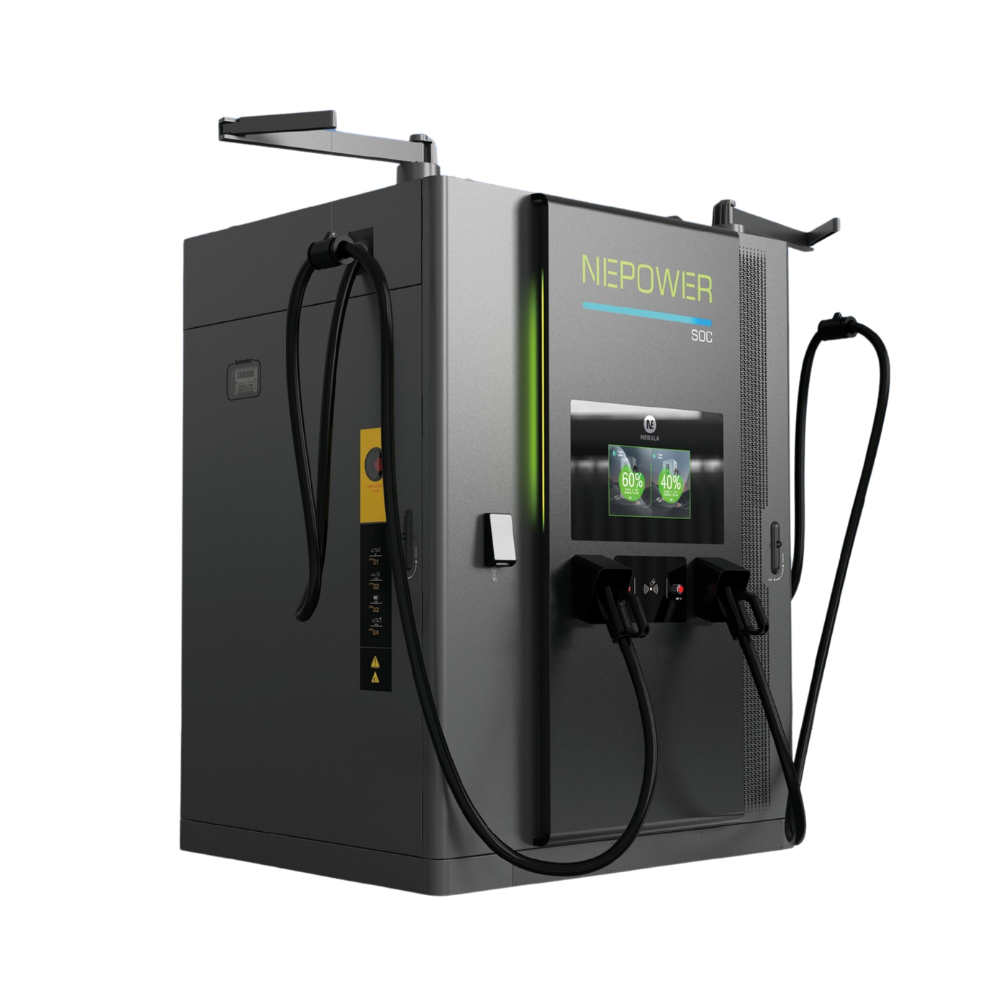
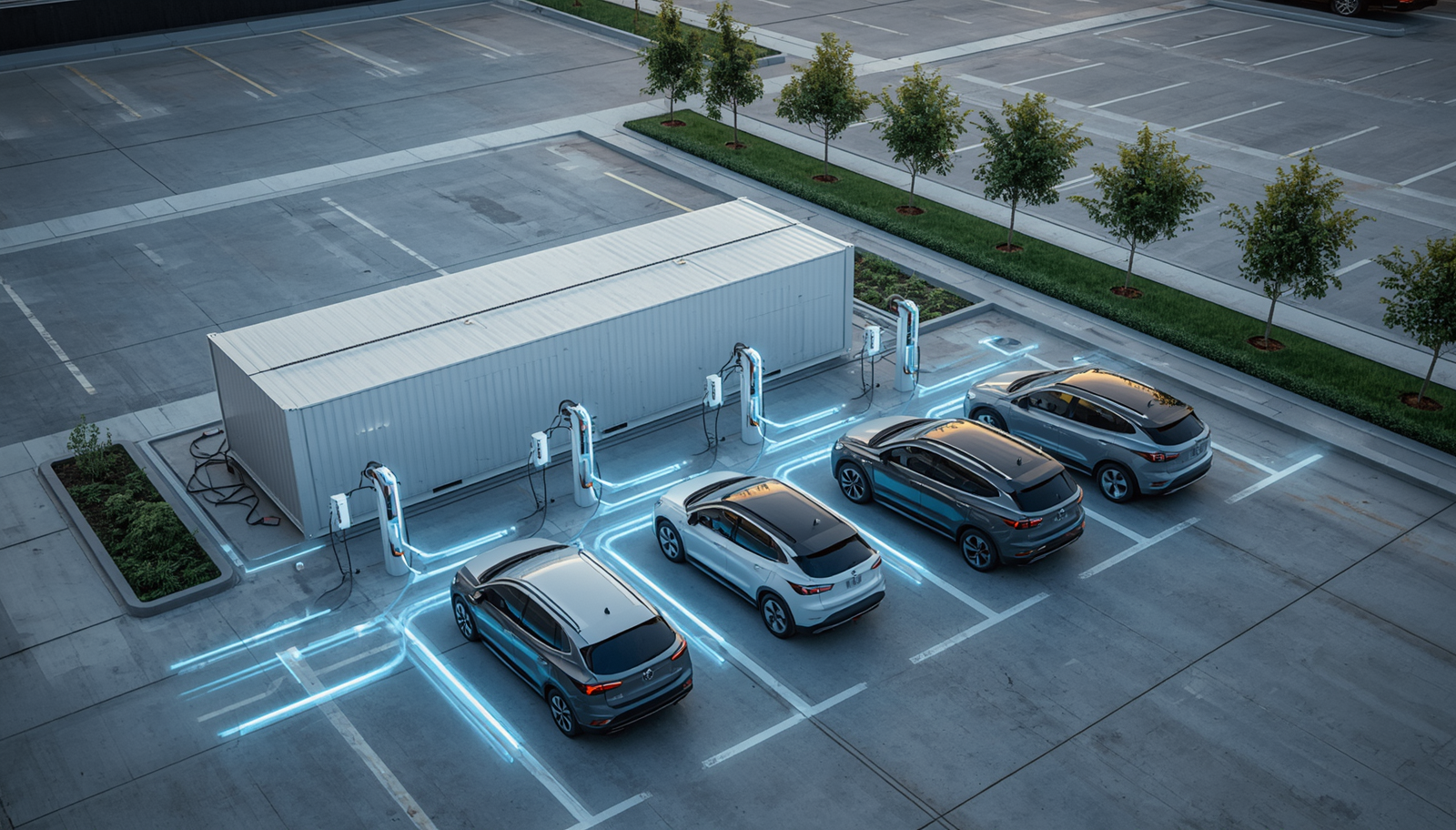
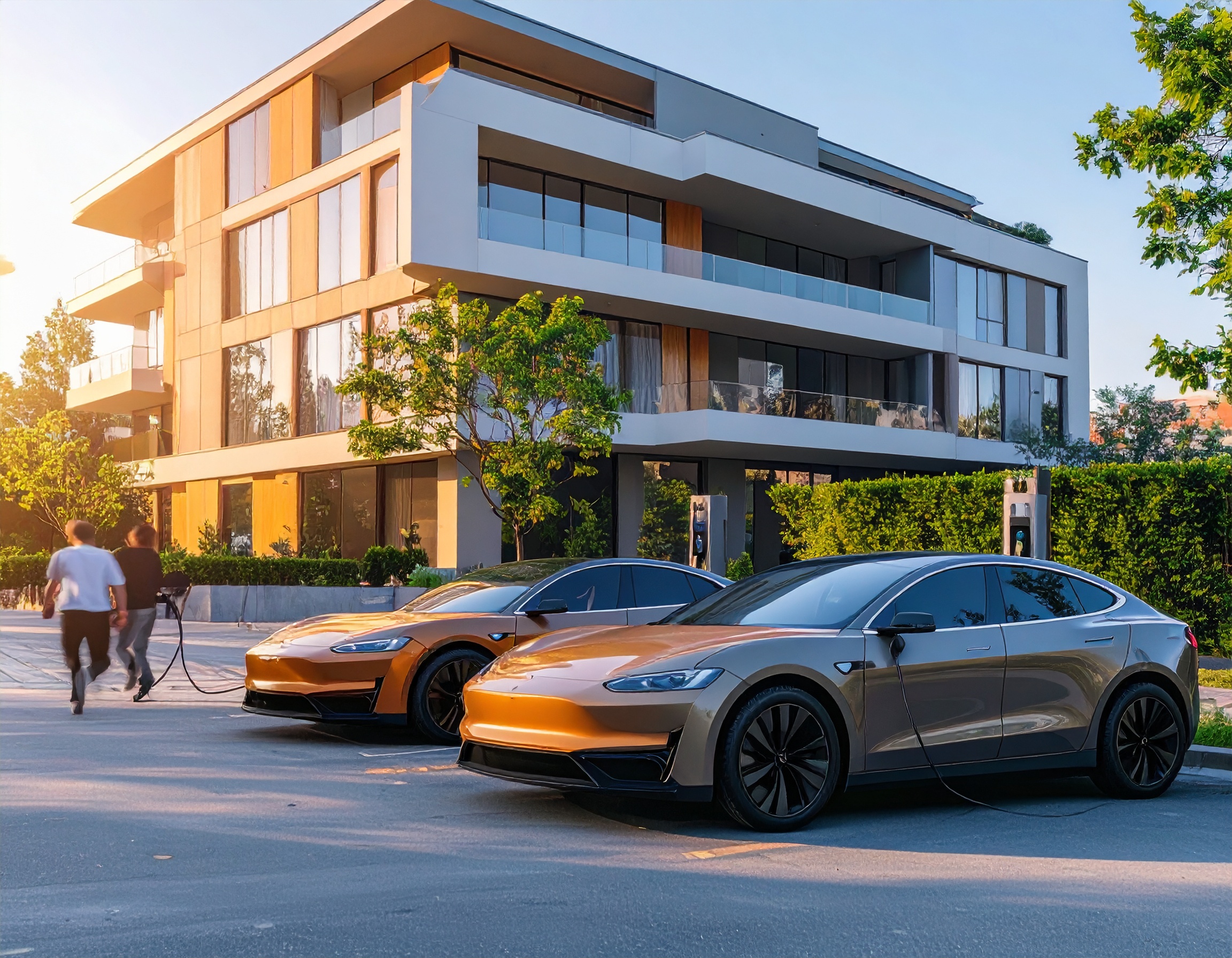
EV adoption is accelerating across Canada, and residents in condominiums and multi-unit residential buildings increasingly expect access to EV charging. For property managers and developers, the challenge is no longer whether EV charging is needed — but how to deploy it properly without overloading existing building electrical infrastructure.
Engineering Planning & Site Assessment
Every successful MURB charging deployment begins with a thorough engineering review. A proper site assessment determines:
- Existing electrical service capacity
- Main distribution panel utilization
- Transformer loading
- Spare breaker availability
- Feeder routing possibilities
- Parking stall allocation
- Future scalability requirements
Older buildings typically have limited spare capacity, while newer developments may already include EV-ready infrastructure. Understanding current electrical headroom is essential before committing to any charging solution.
2 chargers becomes 20 chargers. Designs must account for future growth — rebuilding infrastructure later becomes expensive.

Utility Coordination & ESA Approval
In Ontario, EV charging projects in MURBs require coordinated approvals across multiple authorities. This includes local utility review, ESA permit submission, and electrical inspection planning. Early utility engagement is critical — even if chargers are physically installable, utility-side capacity may still be constrained.
- Local utility review and capacity confirmation
- ESA permit submission and approval
- Electrical inspection planning
- Compliance with Ontario Electrical Safety Code
- Proper conductor sizing, grounding, and fire safety
Adding Battery Energy Storage (BESS) for DC Fast Charging
For buildings that want to offer DC fast charging but face electrical capacity limitations, Battery Energy Storage Systems (BESS) provide an effective solution. BESS stores electricity during off-peak periods and supplies supplemental power during peak charging demand.
- Peak shaving — reduces transformer demand during high-use periods
- Capacity enhancement — enables DC fast charging without utility upgrades
- Demand charge reduction — lowers monthly utility bills
- Backup resilience — provides power continuity during grid disruptions

Load Management Strategy
Smart load management systems monitor total building demand in real time and dynamically adjust how charging power is distributed across all active sessions. This prevents the building from exceeding its electrical capacity while still serving residents effectively.
- Dynamic load balancing across all active charging sessions
- Time-of-use charging strategies to minimize peak demand
- User authentication and billing system integration
- Mobile app integration for resident access and monitoring



Building the Future of Residential Electrification
Successful EV charging deployments in multi-unit residential buildings aren't simply about installing chargers. They require planning for scalability, managing capacity intelligently, coordinating with utilities, integrating energy management, and designing for future electrification growth.
Maxperr Energy provides EV charging infrastructure, battery systems, and intelligent energy solutions to help property managers and developers deliver reliable charging to residents across North America. Contact us to discuss your building's EV charging needs.
Ready to Apply?
The ChargeON application deadline is January 15, 2026. Contact Maxperr Energy today for a free site consultation and let us help you secure your funding.
Get a Free Consultation