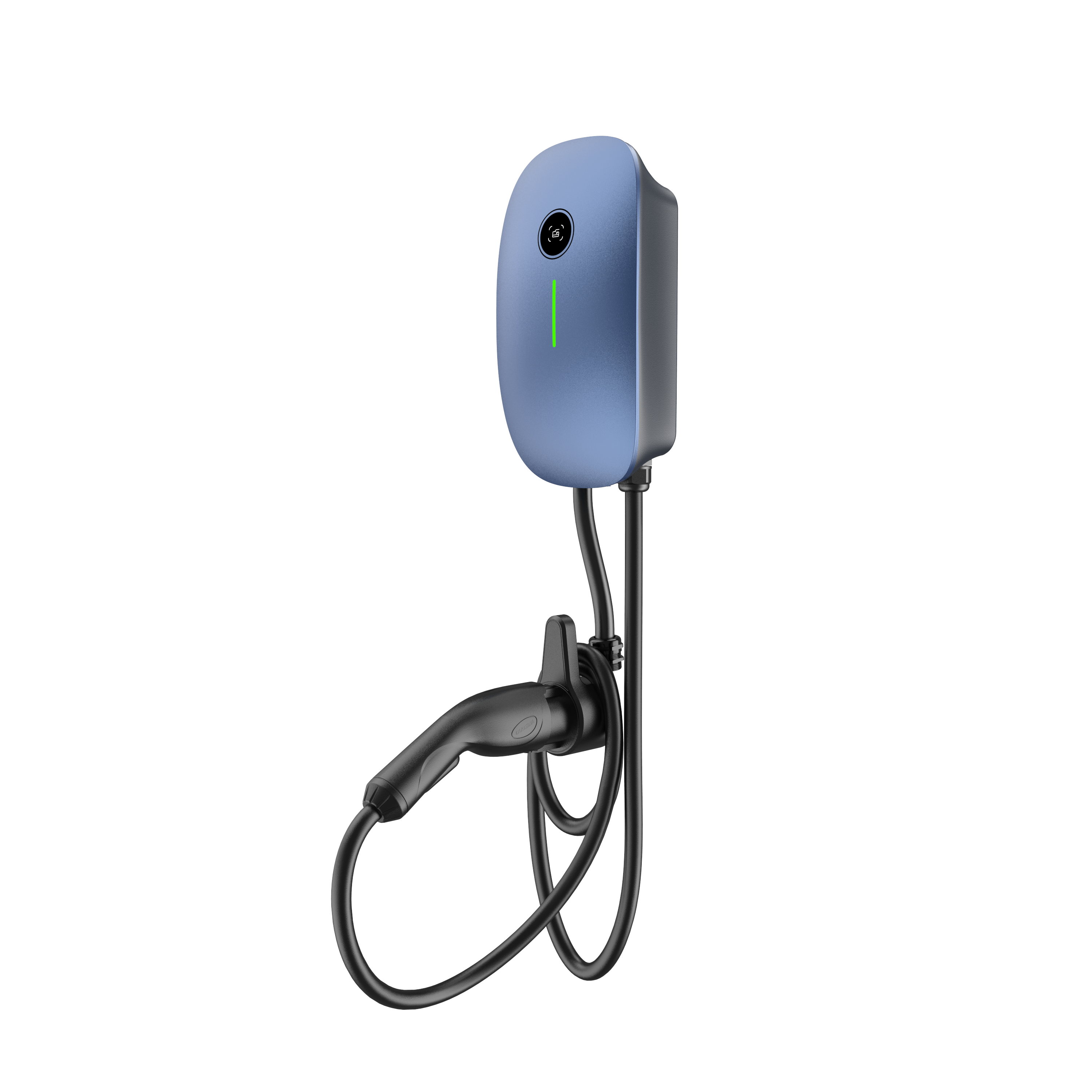
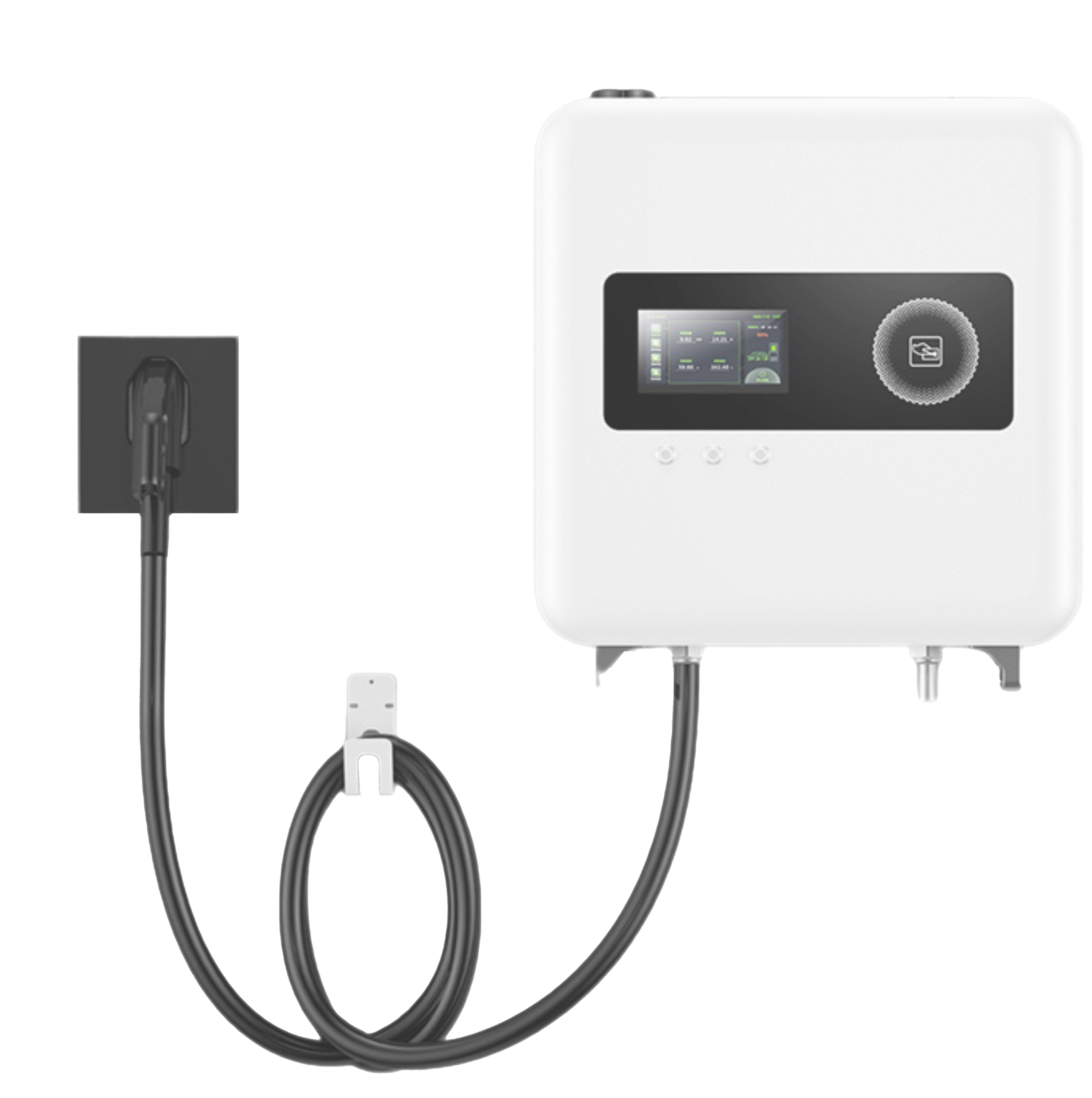
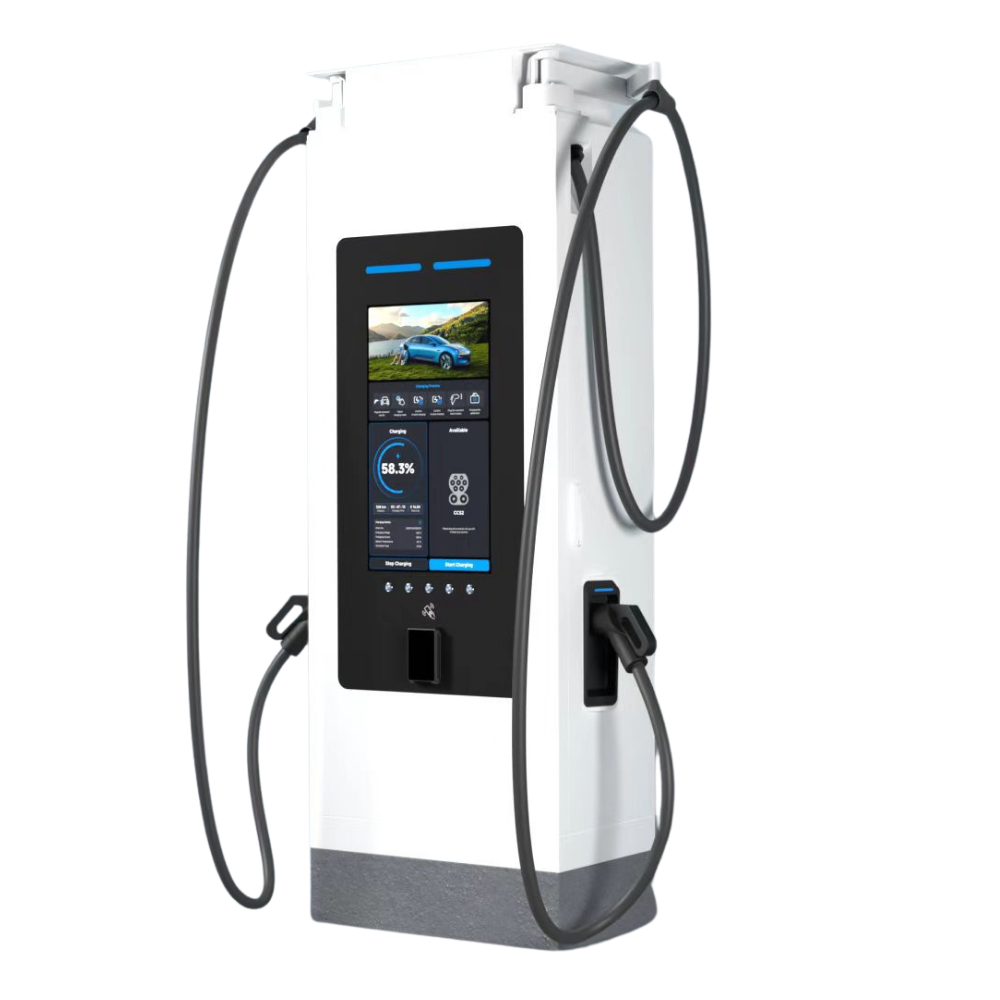
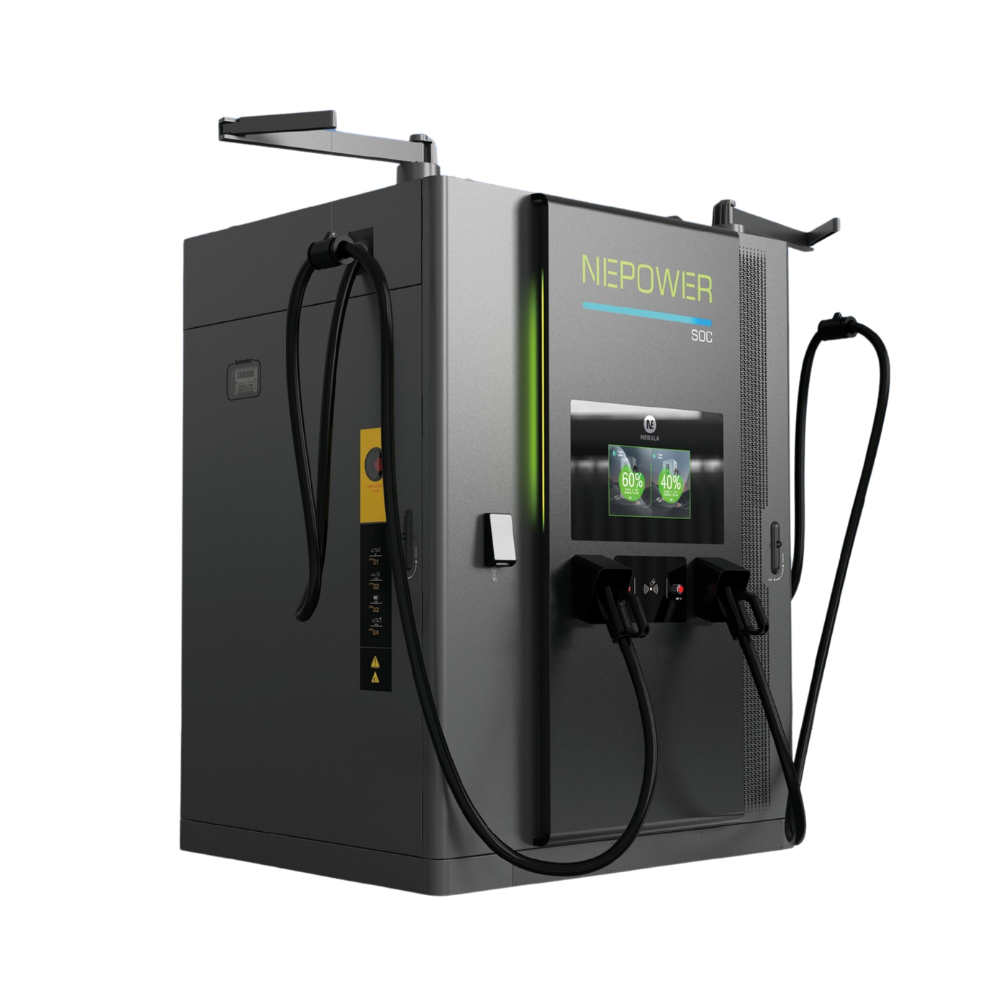
High-Power EV Charging Without Grid Constraints
BESS Integrated EV Charging System
An integrated charging and energy storage solution designed to enable fast EV charging in locations with limited grid capacity. Combine battery storage, intelligent energy management, and scalable charging infrastructure in one system.
Battery Capacity
100-500 kWh
Charging Output
Up to 240 kW
Grid Input
50-200 kW
System Efficiency
>92%
_(5).png&w=3840&q=75)
Key Highlights
Enterprise-grade features engineered for reliability and long-term infrastructure deployment.
Grid Constraint Reduction
Deliver high-power charging without requiring major grid upgrades. The battery absorbs demand spikes so the grid connection stays within capacity limits.
Faster Deployment
Avoid long utility approval timelines and accelerate project commissioning. Deploy charging infrastructure in weeks instead of months.
Peak Shaving and Load Management
Optimize energy usage and reduce peak demand charges by buffering charging loads through the battery storage system.
Scalable Architecture
Expand charging capacity by adding battery modules or charger units without redesigning the core infrastructure or upgrading the grid connection.
Integrated System Design
Charger, battery storage, and energy management system are engineered to work together seamlessly with unified monitoring and control.
Applications
Proven infrastructure solutions for diverse operational environments and business requirements.
Fleet Depots
Last-mile delivery and logistics hubs where overnight or shift-based charging requires power beyond available grid capacity.
Commercial Properties
Office parks, shopping centers, and mixed-use developments with limited electrical capacity seeking to add high-power EV charging.
Urban Fast Charging
Public DC fast charging stations in constrained urban areas where utility upgrades are expensive or face long lead times.
Temporary and Rapid-Deploy Sites
Construction staging areas, event venues, and pop-up charging locations requiring quick deployment without permanent grid infrastructure.
Remote and Semi-Off-Grid Locations
Highway rest stops, rural fueling stations, and locations far from grid infrastructure where battery buffering enables viable EV charging.
Technical Specifications
Detailed technical specifications for engineering and procurement teams.
Why Maxperr
Built for real-world deployments with a focus on reliability, serviceability, and total cost of ownership.
Enable High-Power Charging in Low-Capacity Sites
The integrated battery system decouples charging power from grid capacity, allowing deployment of 120-240 kW chargers on sites with as little as 50 kW of available grid power.
Reduce Infrastructure Upgrade Costs
Avoid six-figure utility upgrade expenses by using battery storage to supplement grid power. The system pays for itself through avoided demand charges and infrastructure costs.
Improve ROI Through Demand Charge Reduction
Peak shaving capabilities reduce monthly demand charges by buffering high-power charging sessions. Energy arbitrage during off-peak hours further reduces operating costs.
Shorten Time-to-Deployment
Containerized and modular formats enable site commissioning in weeks rather than the months typically required for utility service upgrades and transformer installations.
Future-Proof Charging Infrastructure
Modular battery and charger architecture allows capacity expansion as demand grows. Add storage modules or charging units without revisiting grid infrastructure.
Documentation & Resources
Technical documentation and installation guides for your team.
Frequently Asked Questions
Common questions from procurement and engineering teams.
Related Products
Explore complementary charging solutions in the Maxperr product lineup.
Ready to Deploy This Solution?
Connect with our team to discuss specifications, pricing, site requirements, and deployment timelines for your infrastructure project.