
Fleet Charging
Scalable Depot Charging for Fleet Electrification
Support predictable overnight charging operations with infrastructure designed for high-duty cycle commercial and municipal fleets. Optimize uptime, manage energy costs, and scale with fleet growth.
Uptime Target
99.5%+
Load Management
Integrated
Remote Monitoring
Real-Time
Fleet Growth
Scalable
Who This Solution Is For
Fleet charging solutions for organizations transitioning commercial and municipal vehicle operations to electric.
Commercial Fleet Operators
Delivery, logistics, and service fleets requiring reliable overnight depot charging with predictable operational readiness.
Municipal & Government Fleets
Public sector vehicle operations including transit, utilities, and municipal services with procurement and sustainability mandates.
Fleet-as-a-Service Providers
Organizations managing vehicle fleets on behalf of corporate clients requiring centralized charging infrastructure and reporting.
Key Challenges We Address
Fleet depot charging requires infrastructure designed for operational reliability and energy management.
Operational Uptime Requirements
Fleet operations depend on vehicles being fully charged and ready for daily deployment. Infrastructure downtime directly impacts business operations.
Peak Demand Management
Simultaneous charging of multiple vehicles can create expensive demand charges without intelligent load management.
Scalability with Fleet Growth
Fleet electrification is often phased over multiple years, requiring infrastructure that expands without complete redesign.
Vehicle-Specific Charging Requirements
Different vehicle types in mixed fleets may require varied charging power levels and connector types.
Energy Cost Optimization
Electricity costs represent a significant portion of total cost of ownership. Time-of-use rates and demand charges must be managed strategically.
Reporting & Compliance
Fleet managers require detailed energy consumption, vehicle charging status, and emissions reduction reporting for internal and regulatory compliance.
Recommended Solution Approach
A comprehensive depot charging strategy focused on reliability, cost management, and operational integration.
Fleet & Facility Assessment
Analyze fleet composition, daily mileage profiles, depot electrical capacity, and operational schedules to design optimal charging infrastructure.
Intelligent Load Management Design
Implement centralized load management to optimize charging schedules, minimize demand charges, and ensure all vehicles reach target state-of-charge before deployment.
Phased Infrastructure Deployment
Install initial charging capacity aligned with first-phase vehicle deployments, with pre-engineered expansion path for future fleet growth.
Fleet Management System Integration
Connect charging infrastructure to fleet management platforms for unified visibility into vehicle status, energy consumption, and charging operations.
System Components
Typical fleet depot charging system architecture.
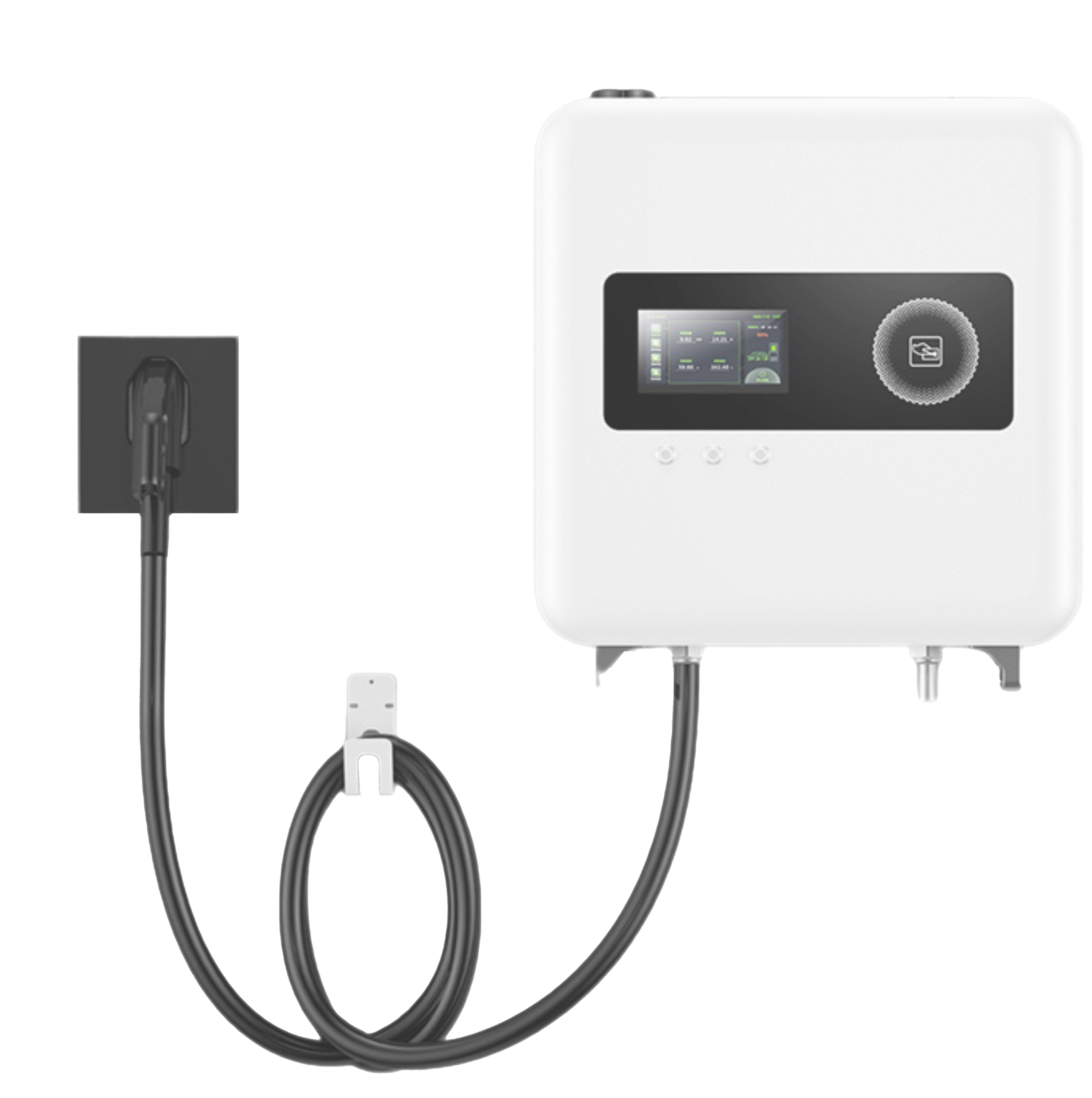
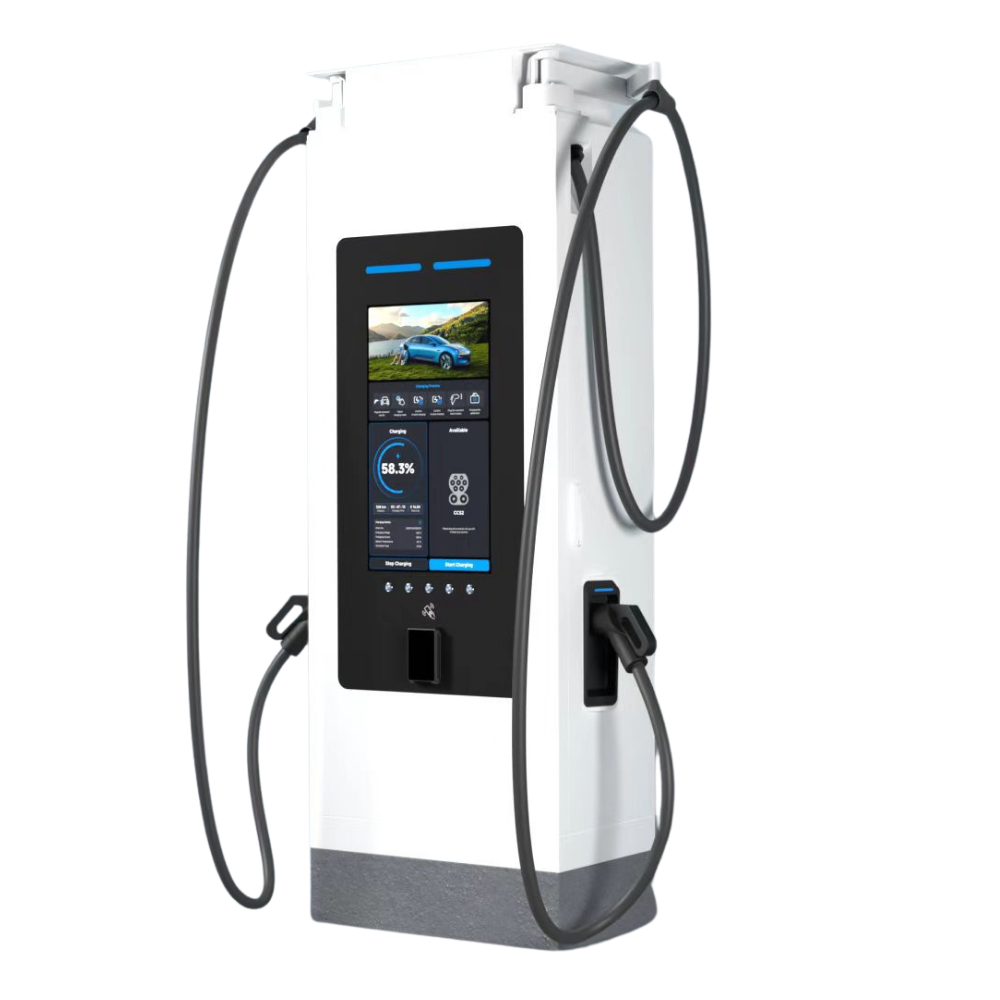
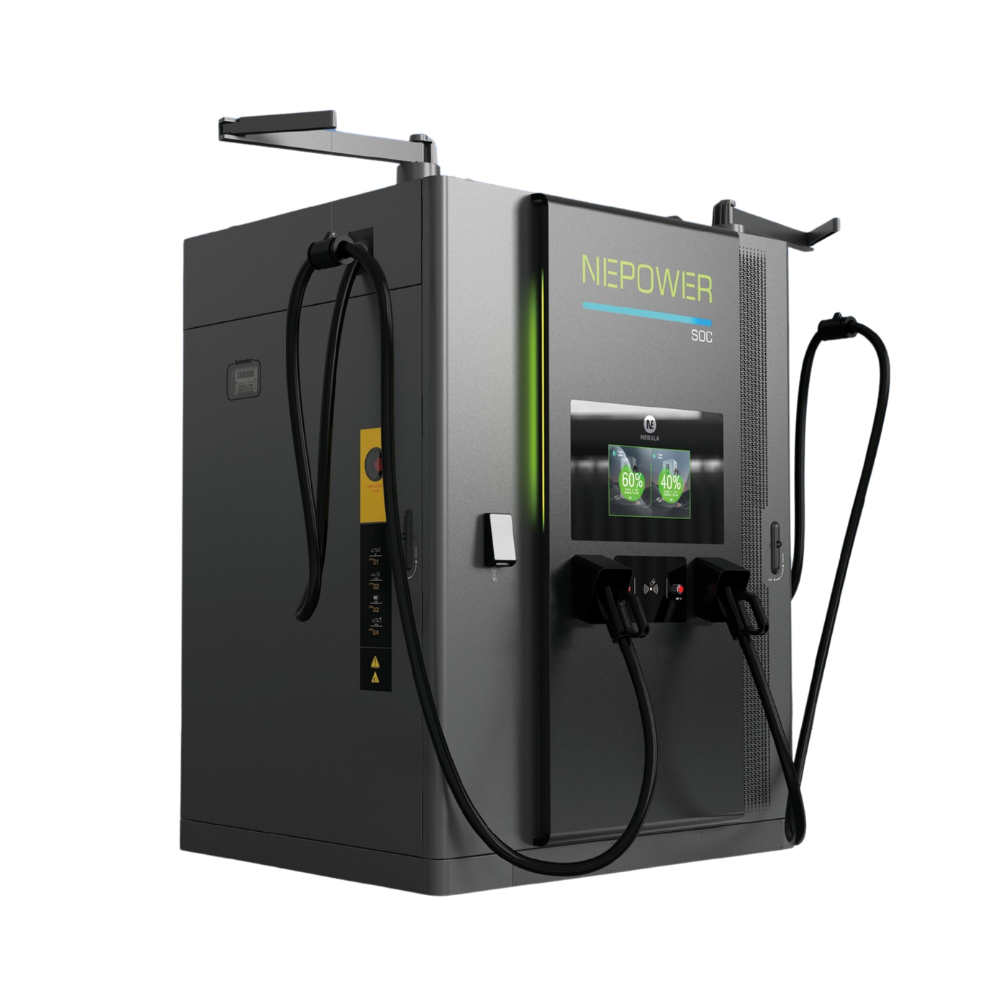
Level 2 & DC Fast Chargers
Mix of overnight Level 2 charging and opportunity DC fast charging based on operational requirements and vehicle types.
Centralized Load Management
Intelligent charging scheduler that optimizes power distribution, manages demand charges, and ensures operational readiness.
Fleet Monitoring Dashboard
Real-time visibility into charging status, energy consumption, vehicle readiness, and infrastructure health.
Energy Management Integration
Integration with utility time-of-use rates, demand response programs, and optional on-site solar or energy storage.
Key Benefits
Strategic advantages for long-term deployment success and operational excellence.
Maximized Operational Uptime
Redundant infrastructure design, remote diagnostics, and preventive maintenance protocols ensure fleet charging reliability.
Optimized Energy Costs
Intelligent load management reduces demand charges and leverages time-of-use rates to minimize total electricity costs.
Scalable with Fleet Growth
Modular infrastructure design supports incremental expansion as fleet electrification phases progress.
Comprehensive Operational Visibility
Centralized dashboards provide real-time and historical data on vehicle charging status, energy consumption, and infrastructure performance.
Simplified Fleet Management
Integration with existing fleet management systems creates unified operational workflows and reporting.
Future-Ready Infrastructure
OCPP-compliant architecture ensures compatibility with evolving vehicle technologies and third-party software platforms.
Typical Deployment Scenarios
Real-world examples of fleet depot charging implementations.
Regional Delivery Fleet - 45 Vehicles
Overnight depot charging for light-duty delivery vans with centralized load management to avoid demand charges. Phased deployment aligned with vehicle lease cycles.
System Configuration: 19.2 kW Level 2 chargers, centralized scheduling, fleet management system integration
Municipal Transit Depot - 30 Buses
Mixed infrastructure with overnight Level 2 charging and mid-day opportunity DC fast charging for high-utilization routes. Load management coordinated with facility HVAC and shop equipment.
System Configuration: 19.2 kW Level 2 + 50 kW DC fast chargers, demand management, telematics integration
Service Fleet - 60 Mixed Vehicles
Depot charging for utility service trucks and passenger vehicles with vehicle-specific charging profiles and priority scheduling for emergency response vehicles.
System Configuration: Mixed 7.2-19.2 kW Level 2 chargers, priority charging logic, real-time fleet dashboard
Related Products
Explore complementary charging solutions in the Maxperr product lineup.
Frequently Asked Questions
Common questions about implementation, operations, and business considerations.
Ready to Deploy Your Solution?
Connect with our team to discuss your infrastructure requirements, site assessment, and deployment strategy.