Multi-Unit Residential
Future-Ready EV Charging for Multi-Unit Residential Buildings
Enable resident EV charging while managing electrical capacity, tenant billing, and long-term scalability. Designed for property managers, condo boards, and residential developers.
Capacity Management
Optimized
Tenant Billing
Automated
Installation
Phased
Future Growth
Scalable
Who This Solution Is For
Multi-unit residential charging solutions designed for property stakeholders managing shared electrical infrastructure.
Condo Boards & Property Managers
Enable resident charging without compromising building electrical capacity or creating inequitable cost distribution.
Multi-Family Developers
Future-proof new construction with scalable EV infrastructure that meets building codes and market expectations.
Apartment Building Owners
Add tenant amenities while maintaining control over energy costs, billing, and infrastructure expansion.
Key Challenges We Address
Multi-unit residential EV charging involves unique electrical, operational, and financial constraints.
Limited Electrical Capacity
Building electrical service may not support simultaneous charging across multiple units without load management.
Fair Cost Allocation
Infrastructure costs and ongoing energy expenses must be allocated fairly between EV owners and non-EV residents.
Phased Deployment
Not all residents adopt EVs simultaneously, requiring infrastructure that scales incrementally without major rework.
Access Control & Billing
Each resident needs secure access to their designated charging point with accurate individual billing.
Parking Assignment Changes
Tenant turnover and parking reassignments require flexible charger access management.
Compliance & Safety
Installation must meet electrical codes, building standards, and accessibility requirements.
Recommended Solution Approach
A structured deployment strategy that addresses capacity constraints, billing requirements, and long-term scalability.
Electrical Capacity Assessment
Evaluate existing service capacity, panel availability, and load profile to determine optimal infrastructure approach and whether service upgrades are required.
Load Management System Design
Implement dynamic load management to distribute available capacity across multiple chargers, preventing electrical overload while maximizing utilization.
Phased Infrastructure Installation
Deploy initial charging capacity based on current demand, with conduit and panel capacity pre-installed to support future expansion without major rework.
Resident Access & Billing Platform
Configure cloud-based management system for resident authentication, usage tracking, and automated billing integrated with property management systems.
System Components
Typical multi-unit residential charging system architecture.
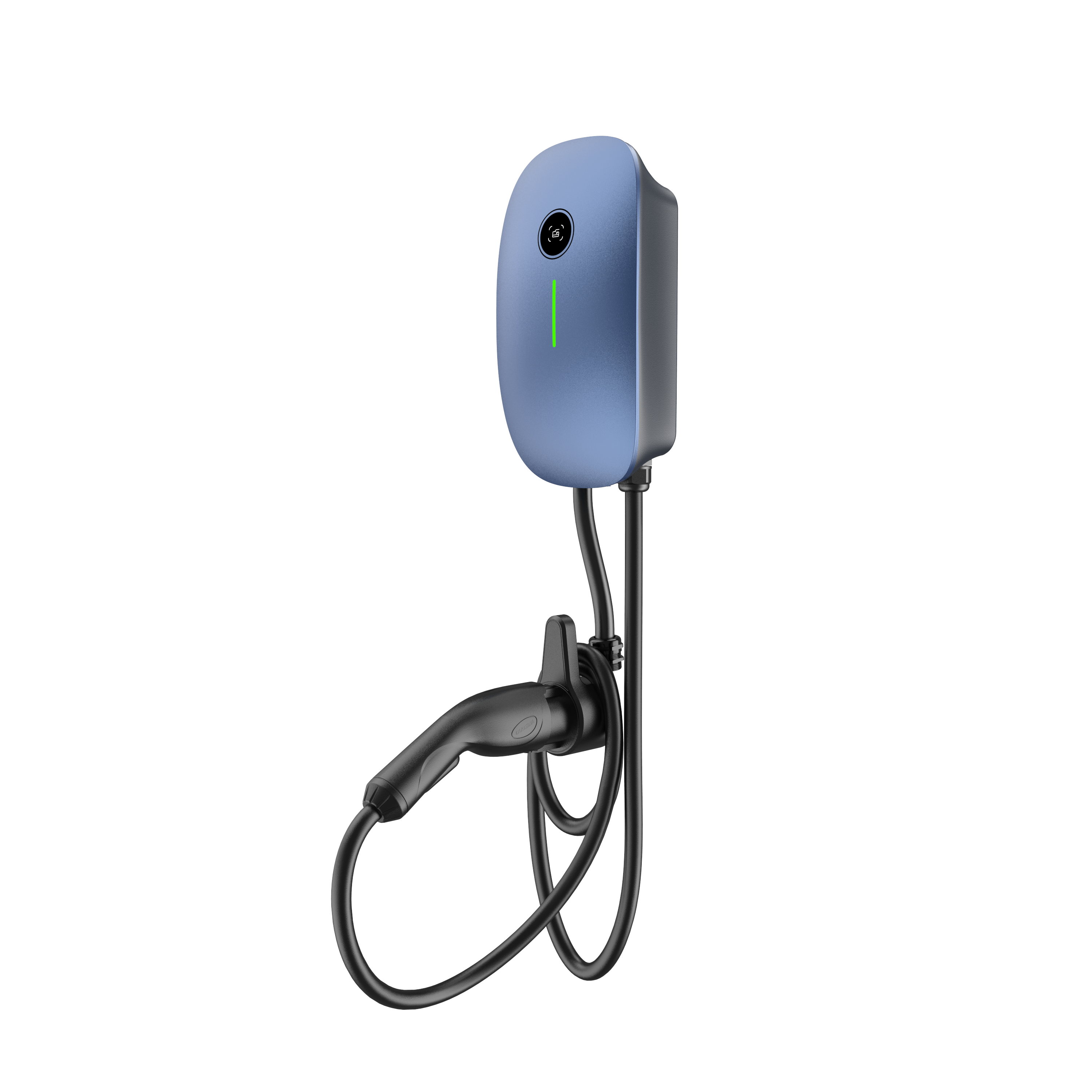
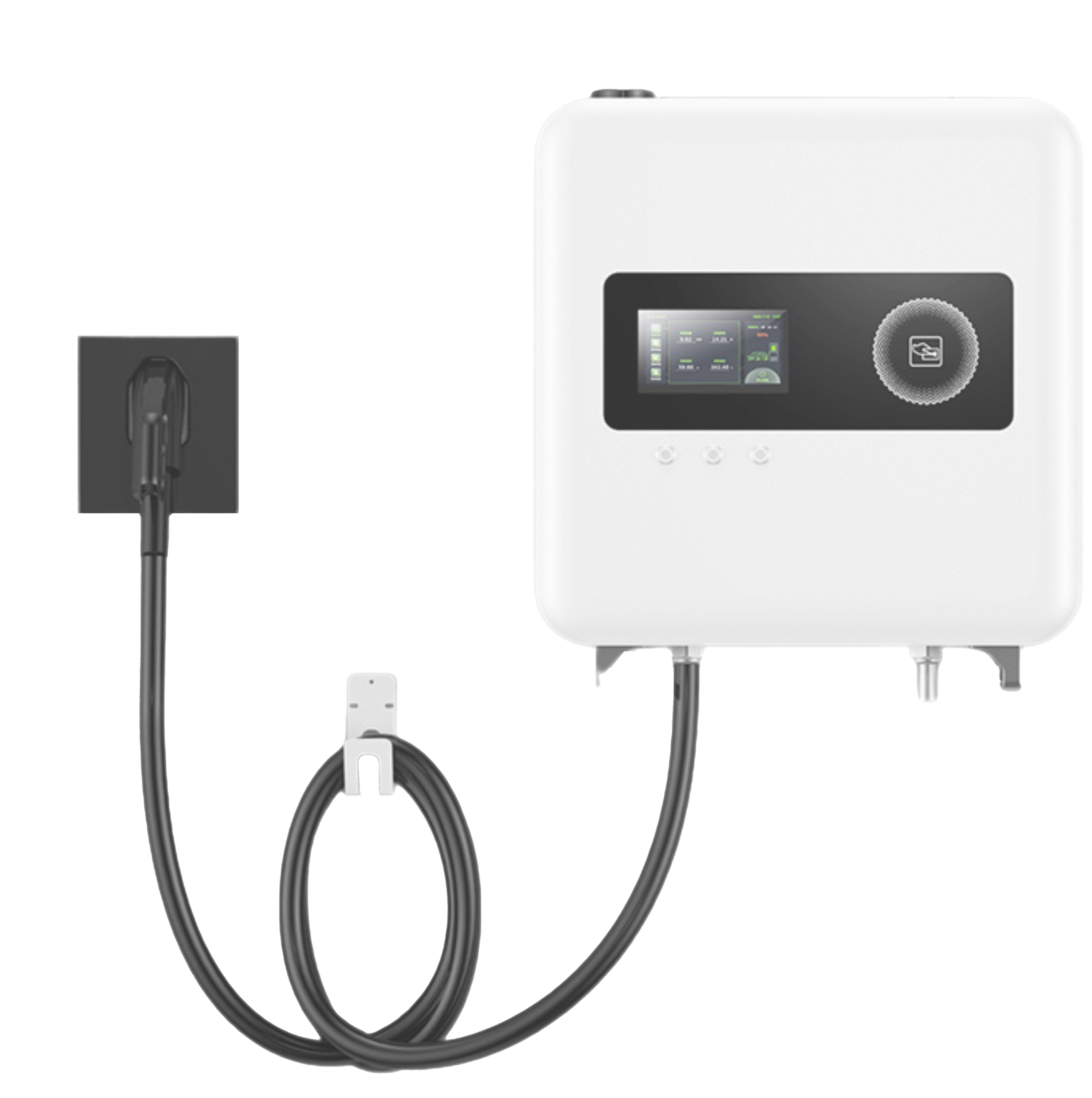
Level 2 Chargers
OCPP-compliant Level 2 chargers optimized for overnight residential charging with load management compatibility.
Load Management Controller
Centralized or distributed load management system to allocate available electrical capacity dynamically across charging points.
Cloud Management Platform
Web-based platform for resident access control, usage monitoring, billing integration, and system diagnostics.
Metering & Billing Integration
Individual energy metering with automated billing workflows that integrate with property management or third-party billing systems.
Key Benefits
Strategic advantages for long-term deployment success and operational excellence.
Optimized Electrical Capacity
Load management maximizes charger deployment within existing electrical service, often avoiding costly utility upgrades.
Fair & Automated Billing
Residents pay only for their actual energy consumption with automated billing that eliminates manual meter reading.
Incremental Scalability
Add charging capacity as resident EV adoption grows without requiring complete infrastructure redesign.
Reduced Installation Complexity
Phased deployment spreads installation costs over time and minimizes disruption to residents and parking operations.
Enhanced Property Value
EV charging infrastructure increases property competitiveness and meets evolving tenant expectations.
Centralized Operational Control
Property managers maintain full visibility and control over charging operations, access permissions, and energy consumption.
Typical Deployment Scenarios
Real-world examples of multi-unit residential charging implementations.
120-Unit Condominium Tower
Phase 1 deployment of 24 Level 2 chargers with load management across 4 electrical panels. Pre-wired conduit infrastructure supports expansion to 60 chargers without panel modifications.
System Configuration: 12 kW chargers, centralized load management, cloud-based resident billing platform
180-Unit Apartment Building
Developer-installed EV-ready infrastructure in new construction with 36 active chargers and make-ready installation for 72 additional spaces. Dynamic load balancing across building electrical service.
System Configuration: 7.2-19.2 kW adjustable chargers, distributed load management, property management system integration
48-Unit Mid-Rise Residential
Retrofit installation with 12 chargers serving underground parking. Load management controller interfaces with existing building automation system to prevent peak demand charges.
System Configuration: 12 kW networked chargers, building management system integration, tenant access cards
Related Products
Explore complementary charging solutions in the Maxperr product lineup.
Frequently Asked Questions
Common questions about implementation, operations, and business considerations.
Ready to Deploy Your Solution?
Connect with our team to discuss your infrastructure requirements, site assessment, and deployment strategy.